

Apparel Manufacturer: 8 Smart Ways to Choose the Best Production Partner
Finding an apparel manufacturer is not usually the difficult part of sourcing clothing. There are plenty of factories, trading companies, and sourcing agents competing for the same orders.
The difficult part is finding a production partner that can make your products to the required specifications, keep quality consistent, communicate clearly, and deliver when promised.
A factory may offer a low price and an impressive product catalog. That alone does not tell you whether it can follow your tech pack, source the right fabric, maintain measurements across a production run, or deal with problems when they appear.
For brands buying custom apparel, these details usually matter more than a polished company profile.
Here are eight practical ways to assess a potential supplier before committing to an order.
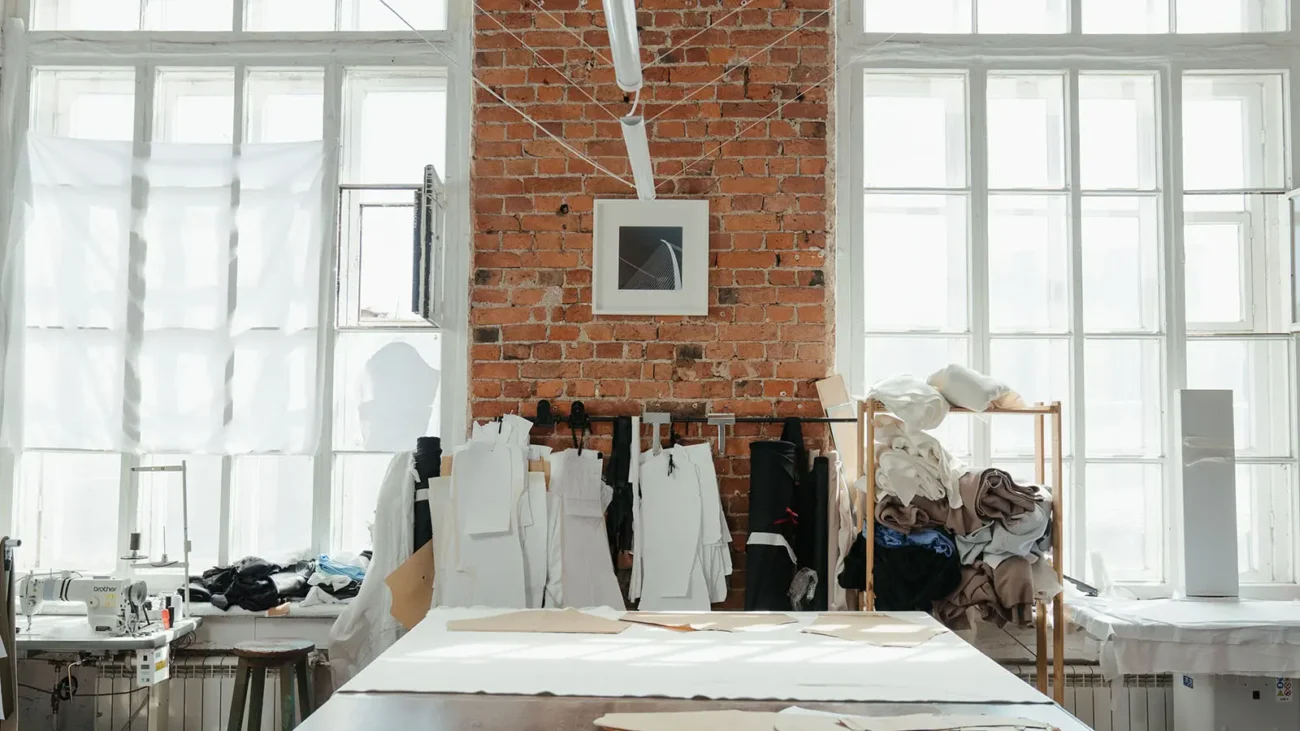
How to Choose the Right Apparel Manufacturer
Start with your own product requirements before comparing factories.
If you contact an apparel manufacturer without a clear production brief, most suppliers will tell you they can make almost anything. A more useful approach is to prepare the basic information first:
Product type
Reference samples or technical drawings
Fabric composition and weight
Size range
Color requirements
Decoration methods
Estimated order quantity
Target market
Packaging requirements
Once those details are available, supplier conversations become much more specific.
You can then compare factories based on what they can actually do rather than what they claim to produce.
1. Check an Apparel Manufacturer’s Actual Production Capabilities
Start by looking at what a factory makes regularly, not just what appears in its product catalog.
A company may list dozens of garment categories on its website, while most of its production is concentrated in only a few of them. That distinction matters.
Review Relevant Product Experience
Ask whether the apparel manufacturer has experience with products similar to yours.
Useful questions include:
Which apparel categories do you produce most often?
What fabrics do you work with?
What construction methods are you familiar with?
Can you handle printing, embroidery, or other decoration?
What order quantities do you normally produce?
Do you provide pattern and sample development?
For example, a T-shirt project may involve jersey fabric, rib collars, screen printing, embroidery, garment dyeing, custom labels, and multiple size specifications.
A supplier that handles these processes regularly is more likely to understand the production details that can otherwise cause delays or inconsistent results.
Match the Factory to the Product
Think about the technically difficult parts of your product rather than just its general category.
A basic T-shirt still involves fabric shrinkage, collar recovery, stitching, measurements, printing, and color consistency.
More complicated garments may require:
Specialized machinery
Complex pattern development
Technical fabrics
Multiple construction methods
Special finishing
More detailed inspections
If your product has a particular technical requirement, ask the factory about that requirement directly.
It is much more useful than simply asking whether they “make clothing.”
2. Evaluate Product Development With an Apparel Manufacturer
The first sample can tell you a great deal about how a supplier works.
If you send a tech pack and receive a sample that is far from the requested specifications, the important question is what happens next.
Can the team identify the cause?
Can it explain what needs to change?
Can it make the next sample closer to the specification?
A capable custom apparel manufacturer should be involved in the development process rather than simply waiting for finished specifications.
A Cheap Sample Is Not Necessarily a Good Sample
Sample cost is easy to compare because it appears as a number on a quotation.
Development ability is harder to measure, but it can have a much greater effect on your final production cost.
Imagine that your first sample has the correct measurements, but the collar stretches after washing. The supplier may need to investigate the rib specification, fabric recovery, sewing method, or finishing process.
That kind of problem-solving ability is difficult to see from a price list.
Ask How Revisions Are Handled
Before starting development, find out:
How are sample comments recorded?
Who updates the pattern?
How are measurement changes communicated?
Will revised samples be checked against the original specifications?
When is the pre-production sample approved?
You are evaluating more than the physical sample. You are also seeing how the production team handles changes.
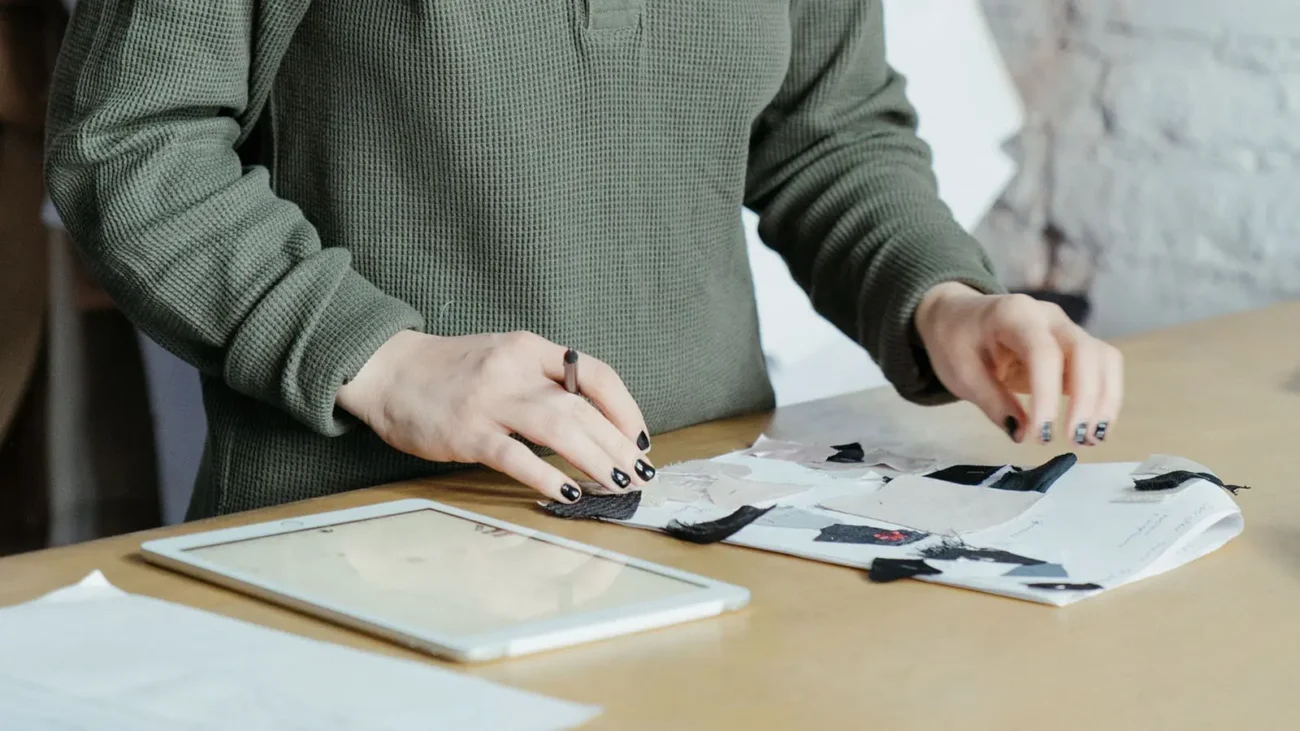
3. Compare Fabric Sourcing Before Choosing a Manufacturer
A garment factory does not manufacture the fabric, but its ability to source and manage fabric can have a major effect on the finished product.
The same cotton composition can produce very different garments depending on yarn, knitting method, weight, finishing, shrinkage, and dyeing.
This is especially important for custom clothing because the fabric is often part of the product’s identity.
Ask for Fabric Details, Not Just Fabric Names
Instead of asking whether a supplier has “cotton fabric,” ask for information such as:
Fiber composition
Fabric weight
Construction
Width
Shrinkage
Color fastness
Finishing
Available certifications
If you are developing a premium T-shirt, “100% cotton” is not enough information to determine whether the fabric is suitable.
You may also need to compare fabric samples before approving the material for production.
Check Documentation When It Matters
If your product requires textile safety documentation, ask for the relevant test reports or certificates.
OEKO-TEX STANDARD 100 is a recognized textile safety standard covering testing for harmful substances.
For products using recycled materials, the Global Recycled Standard (GRS) covers recycled content and chain-of-custody requirements, together with social, environmental, and chemical criteria.
Do not assume that a certificate shown on a supplier’s website automatically applies to every material or production order. Ask what the documentation actually covers.
4. Examine the Factory’s Quality Control System
Quality control should not begin only after the garments are finished.
A garment can have the correct fabric and good stitching but still fail because of measurement differences, shade variation, incorrect labels, or construction problems.
Ask Where Quality Is Checked
Depending on the product, inspections may take place during:
Fabric receiving
Cutting
Sewing
Printing or embroidery
Finishing
Final inspection
Packing
The exact process can vary between factories. What matters is whether problems can be identified while there is still time to correct them.
For example, if measurements begin drifting during sewing, the problem should ideally be found while production is running rather than after the whole order has been packed.
Ask What Happens When Something Goes Wrong
This question can be more revealing than simply asking whether a supplier has QC.
Ask what happens when:
Fabric shade is inconsistent
Measurements fall outside tolerance
Printing is misaligned
Stitching defects are discovered
A shipment falls behind schedule
A well-organized production team should be able to identify the cause, correct the affected goods, and check the result.
For manufacturers operating structured quality management systems, ISO 9001 provides an internationally recognized framework for quality management.
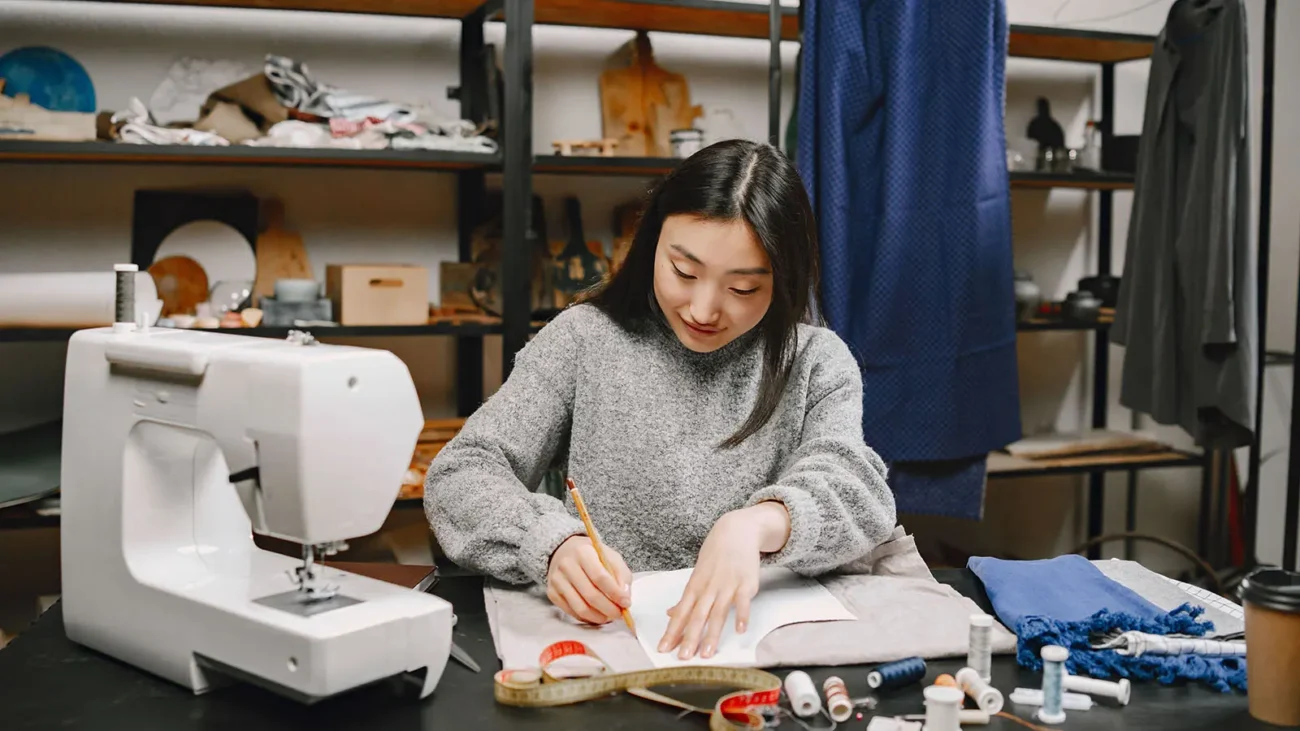
5. Look Beyond MOQ When Comparing Apparel Manufacturers
MOQ is one of the first numbers buyers usually ask about, but it can be misleading when taken out of context.
An apparel manufacturer may quote “MOQ 500 pieces,” but that number may not tell you how the minimum is actually calculated.
Ask How MOQ Is Calculated
Clarify whether the minimum applies to:
The complete style
Each color
Each size
Each fabric
Each print
Each production run
This can make a significant difference to the actual order quantity.
A brand testing three colors may think it has a 500-piece MOQ, while the practical requirement could be 1,500 pieces.
Think About the Second Order
Your first order may be small because you are testing the market.
If the product sells well, you may need a supplier that can handle substantially larger quantities without changing the production standard.
This is why MOQ should be considered together with production capacity and future demand.
6. Test Communication Before You Commit to a Production Partner
Communication is easy to overlook when everything is going smoothly.
The real test comes when your requirements are complicated or something needs to change.
Send the supplier a reasonably detailed request and see how the team responds.
Do they understand the specifications?
Do they ask useful questions?
Do they identify missing information?
Do they explain what may be technically difficult?
A factory that simply says “Yes, we can do it” to every request is not necessarily easier to work with. Sometimes a supplier that tells you a requirement needs to change is demonstrating stronger technical knowledge.
Pay Attention to Production Updates
Once an order starts, you should know what requires your approval and when decisions need to be made.
This becomes particularly important when several styles are being developed at the same time.
A clear production contact can help keep track of:
Sample approvals
Fabric approvals
Production status
Quality issues
Packaging
Shipment timing
Good communication does not mean sending more messages. It means reducing misunderstandings between the buyer and the factory.
7. Review Compliance Before Choosing an Apparel Manufacturer
For international buyers, manufacturing capability is only part of supplier evaluation.
Depending on your market and product category, you may also need to consider textile safety, quality management, social compliance, environmental requirements, and other applicable standards.
Check Relevant Certifications
Depending on the products you are making, you may need documentation related to:
Quality management
Textile safety
Recycled materials
Social compliance
Environmental practices
Do not assume that every certificate listed on an apparel manufacturer’s website applies directly to your order.
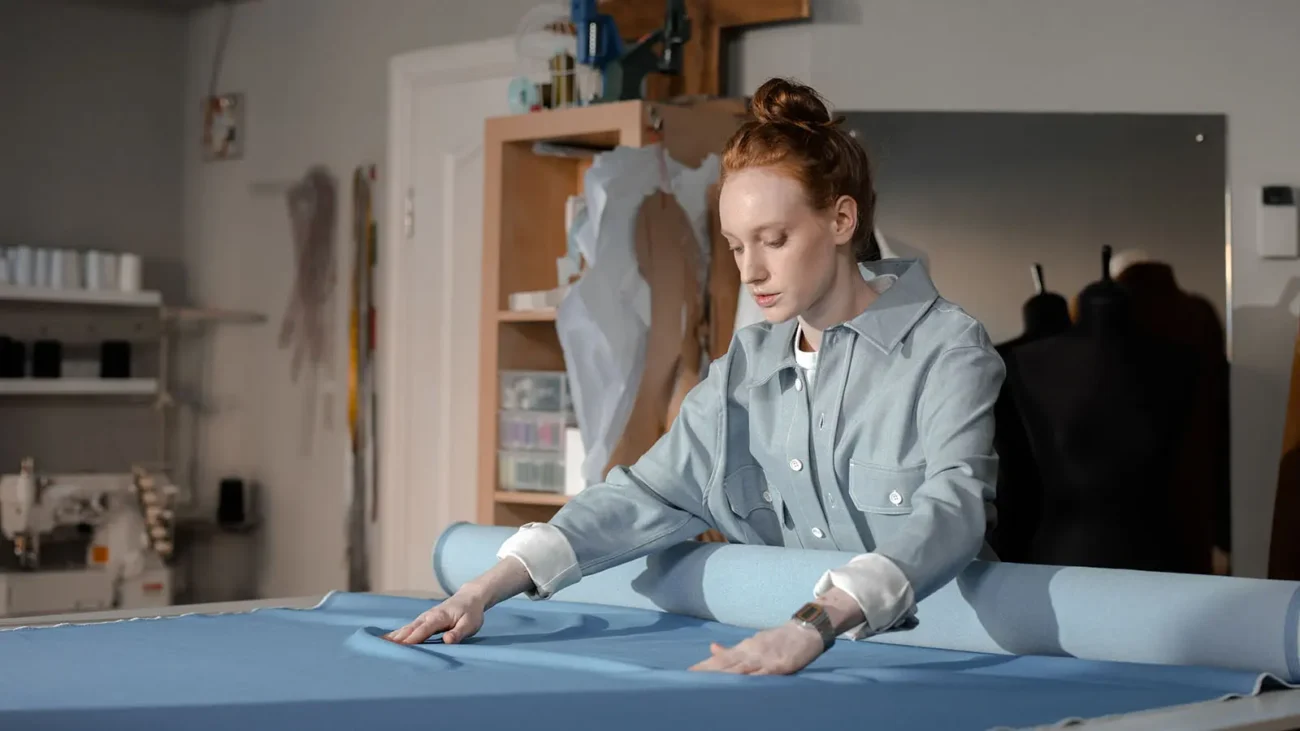
Match Certifications to Your Market
Before placing an order, ask:
Is the certification current?
Is it issued to the actual manufacturing facility?
Does it cover the relevant production scope?
Does it meet your target market’s requirements?
Can the supplier provide supporting documentation?
This is particularly important when selling apparel in markets with specific regulatory or retailer requirements.
The objective is not to collect as many certificates as possible. It is to make sure the factory and materials meet the standards relevant to your products.
8. Decide Whether the Apparel Manufacturer Can Grow With You
The right apparel manufacturer for your first order may not necessarily be the right supplier for your next twenty orders.
As a brand grows, production usually becomes more complicated.
You may add:
New styles
New fabrics
More colors
Seasonal collections
Larger quantities
New product categories
Look at the Wider Manufacturing Network
A factory does not need to manufacture every possible product itself.
What matters is whether it has reliable access to the suppliers and production capabilities your business may need.
For example, a clothing brand expanding into children’s products may eventually need a kids clothing manufacturer with relevant category experience.
A baby-focused brand may need a baby clothing manufacturer or a specialized baby accessories manufacturer.
For broader sourcing and export coordination, an apparel sourcing and export partner can also become part of the supply chain.
The point is not to build the largest possible supplier list. It is to know where additional manufacturing capabilities can come from when your product range expands.
A Practical Way to Compare Apparel Manufacturers
After speaking with several potential suppliers, put the information side by side.
Supplier Comparison Checklist
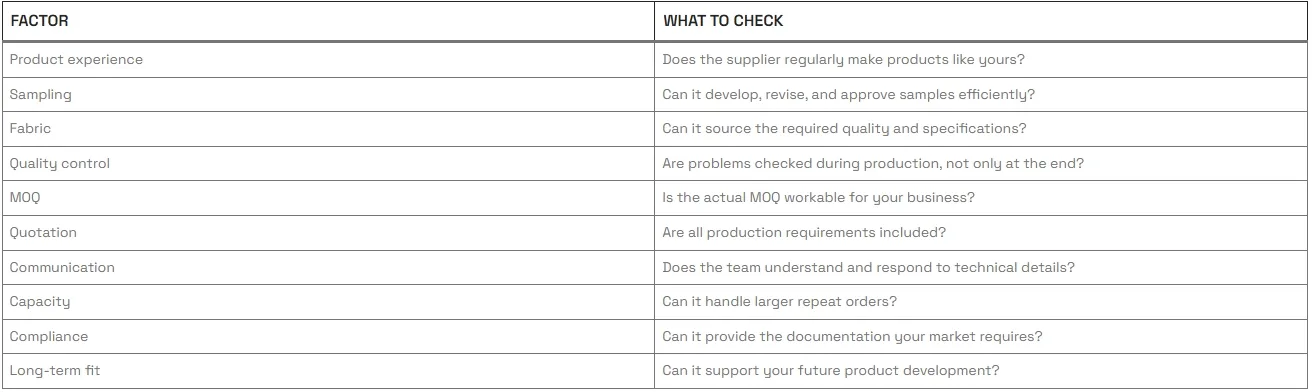

You do not need every factory to score perfectly in every category.
What matters is whether a particular weakness creates a real risk for your product or business.
Why China Can Be a Strong Choice for Apparel Manufacturing
China’s advantage in apparel manufacturing is not simply low production cost.
The country has a large and interconnected supply chain covering fabrics, trims, garment production, printing, embroidery, packaging, and logistics.
That can be useful when a garment requires several suppliers or production processes.
A capable clothing manufacturer in China can often coordinate with nearby fabric mills, trim suppliers, printing facilities, and other production partners.
However, “Made in China” should never be treated as a guarantee of quality.
The individual factory still needs to be evaluated based on product experience, technical capability, quality processes, communication, and the ability to meet your specifications.
Where Clothing Factory X Fits Into the Picture
Clothing Factory X (CFX) works with brands that need custom apparel development and production rather than off-the-shelf garments.
Our work covers product development, fabric sourcing, sampling, OEM/ODM, private label production, bulk manufacturing, and quality control.
If you are comparing apparel manufacturers, the useful next step is not to take a factory’s claims at face value. Ask for the information you need to compare suppliers properly: product examples, material specifications, sample details, production requirements, and quality procedures.
You can review CFX’s custom apparel manufacturing services and manufacturing background as part of that evaluation.
For more practical discussions about apparel manufacturing and sourcing, see the apparel manufacturing insights.
Final Thoughts
Choosing an apparel manufacturer is ultimately about reducing production risk.
The cheapest quotation may not produce the lowest total cost. The largest factory may not be the best fit for a smaller brand. And a supplier with the longest product catalog may not have the technical experience your particular product requires.
Start with your product, test the factory through sampling, look closely at materials and quality control, understand the real MOQ and quotation, and pay attention to how the supplier communicates when something is unclear.
If the production partner can handle those details well, you have a much stronger basis for deciding whether it is worth building a long-term relationship.